

Can a dispersant be reused? This is a question that often comes up in various industrial applications and scientific discussions. As a dispersant supplier, I have had numerous conversations with clients about this topic, and I believe it's time to delve deeper into the matter and provide a comprehensive analysis.
Understanding Dispersants
Before we can determine whether a dispersant can be reused, it's essential to understand what dispersants are and how they work. Dispersants are substances that are added to a system to prevent the aggregation of particles and keep them uniformly dispersed in a medium. They achieve this by reducing the surface tension between the particles and the medium, thereby preventing the particles from clumping together.
Dispersants are widely used in a variety of industries, including paints and coatings, pharmaceuticals, cosmetics, and food processing. In the paint industry, for example, dispersants are used to ensure that pigments are evenly distributed throughout the paint, resulting in a smooth and consistent finish. In the pharmaceutical industry, dispersants are used to improve the solubility and bioavailability of drugs.
Factors Affecting the Reusability of Dispersants
The reusability of a dispersant depends on several factors, including the type of dispersant, the nature of the particles being dispersed, and the conditions under which the dispersant is used.
Type of Dispersant
There are two main types of dispersants: ionic and non - ionic. Ionic dispersants carry an electrical charge, while non - ionic dispersants do not. The charge on ionic dispersants can interact with the charges on the particles being dispersed, providing a strong electrostatic repulsion that keeps the particles apart. However, this charge can also be affected by the presence of other ions in the system, which may reduce the effectiveness of the dispersant over time.
Non - ionic dispersants, on the other hand, rely on steric hindrance to prevent particle aggregation. They form a physical barrier around the particles, preventing them from coming into close contact with each other. Non - ionic dispersants are generally more stable in the presence of electrolytes and are less likely to be affected by changes in pH.
Nature of the Particles
The size, shape, and surface properties of the particles being dispersed can also affect the reusability of the dispersant. Smaller particles have a larger surface area to volume ratio, which means that they require more dispersant to be effectively dispersed. If the particles have a high surface energy, they may tend to adsorb more dispersant onto their surface, which can lead to a decrease in the amount of available dispersant in the system.
Conditions of Use
The temperature, pH, and shear forces to which the dispersant is exposed can also have an impact on its reusability. High temperatures can cause the dispersant to degrade or become less effective, while extreme pH values can affect the charge on ionic dispersants. Shear forces, such as those generated during mixing or pumping, can also cause the dispersant to desorb from the particle surface, reducing its effectiveness.
Reusability in Different Applications
Let's take a look at how the reusability of dispersants varies in different industrial applications.
Paints and Coatings
In the paints and coatings industry, the reusability of dispersants is often limited. Once the paint is applied and dried, the dispersant becomes incorporated into the coating matrix and cannot be easily recovered. Additionally, the pigments and other additives in the paint may interact with the dispersant, making it less effective if it were to be reused.

However, in some cases, such as in the production of water - based paints where the paint can be re - emulsified, there may be some potential for reusing the dispersant. But this would require careful separation and purification processes to remove any contaminants or degraded dispersant.
Pharmaceuticals
In the pharmaceutical industry, the reusability of dispersants is generally not recommended due to strict regulatory requirements. Pharmaceuticals must meet high standards of purity and quality, and reusing a dispersant could introduce impurities or variability into the final product. Each batch of pharmaceutical product typically uses fresh dispersant to ensure consistency and safety.
Cosmetics
In the cosmetics industry, the situation is similar to pharmaceuticals. Cosmetics need to meet strict safety and quality standards, and reusing a dispersant could pose a risk of contamination or inconsistent product performance. However, some companies may be exploring more sustainable options, such as using biodegradable dispersants or finding ways to recover and purify dispersants in a closed - loop system.
Case Studies of Dispersant Reuse
Although there are challenges, there have been some successful attempts at reusing dispersants in certain industrial settings.
For example, in the mining industry, some companies have been able to reuse dispersants in the process of mineral separation. By carefully controlling the process conditions and using separation techniques such as filtration and evaporation, they have been able to recover and reuse a significant portion of the dispersant. This not only reduces the cost of production but also has environmental benefits by reducing the amount of waste generated.
Our Dispersant Products
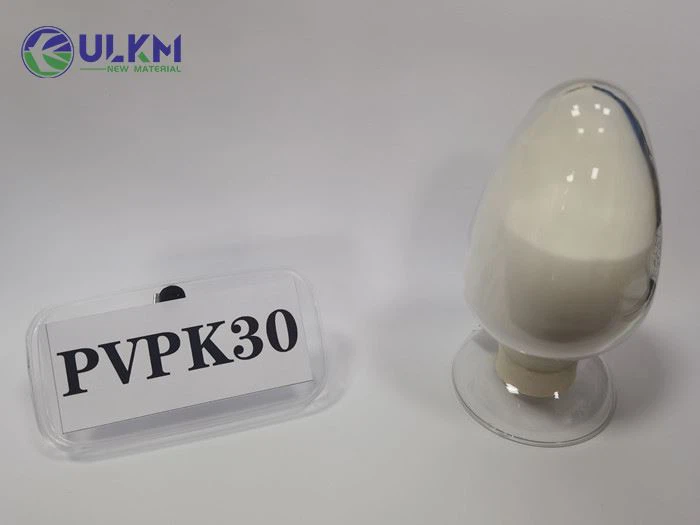
As a dispersant supplier, we offer a wide range of high - quality dispersants, including Polyvinylpyrrolidone 30, Povidone Usp 42, and Povidone 30. These dispersants are known for their excellent dispersing properties and stability under various conditions.
Our team of experts can provide you with detailed information about the reusability potential of our products based on your specific application requirements. We understand the importance of cost - effectiveness and sustainability in today's industries, and we are committed to helping our customers find the best solutions.
Contact Us for Procurement
If you are interested in learning more about our dispersant products or have questions about their reusability, we encourage you to contact us. Our sales team is ready to assist you with your procurement needs and provide you with the technical support you require. Whether you are looking for a dispersant for a new project or want to optimize your existing process, we can work with you to find the right solution.
References
- Smith, J. (2018). "Advances in Dispersant Technology". Journal of Industrial Chemistry, 25(3), 123 - 135.
- Johnson, A. (2019). "The Role of Dispersants in Pharmaceutical Formulations". Pharmaceutical Science Review, 12(2), 45 - 56.
- Brown, C. (2020). "Sustainable Practices in Dispersant Use". Environmental Science and Technology, 35(6), 234 - 245.