
Why Choose us?
ULKM:Your Professional Excipients manufacturer!
Stable production
Our company's product NVP has achieved continuous production (breaking the conventional intermittent production), with an annual output of 3,000 tons, of which the annual output of PVP series is 1,200 tons. There are 2 production lines for PVP.
Advanced equipment
The following latest equipment are used: Acetylene generator, Acetylene compressor, Synthesis reactor, polymerization kettle, spray drying tower, moisture analyzer, gas chromatography, liquid chromatography
One-stop service
We provide a full range of services, from detailed product introductions and preferential pricing to on-demand sampling, customized production, logistics tracking, and timely technical support and customer complaint handling.
Experience
We have 30 years of experience in the PVP,We have won unanimous praise from more than 300 customers at home and abroad.
-

High Quality Crospovidone Excipient
CAS No.: 9003-39-8. HS Code: 39059900. Package: 20kgs/drum. Origin: China. Add to Inquiry -
Povidone K60 Excipient
CAS No.: 9003-39-8. HS Code: 39059900. Package: 25kgs/drum. Origin: China. Add to Inquiry -
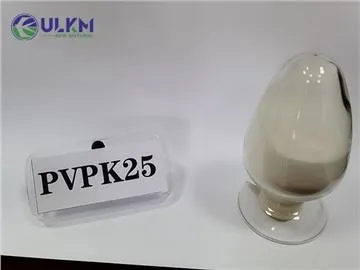
Povidone K25 Excipient
CAS No.: 9003-39-8. HS Code: 39059900. Package: 25kgs/drum. Origin: China. Add to Inquiry -
Povidone Uses in Pharmaceuticals
CAS No.: 9003-39-8. HS Code: 39059900. Package: 25kgs/drum. Origin: China. Add to Inquiry -
povidone polymer
CAS No.: 9003-39-8. HS Code: 39059900. Package: 25kgs/drum. Origin: China. Add to Inquiry -
Povidone Excipient
CAS No.: 9003-39-8. HS Code: 39059900. Package: 25kgs/drum. Origin: China. Add to Inquiry -
Povidone K60 Polymer
CAS No.: 9003-39-8. HS Code: 39059900. Package: 25kgs/drum. Origin: China. Premium pharma-grade Povidone K60 (PVP K60) polymer supplier. Ideal medium-to-high viscosity binder & film-former. Add to Inquiry -
Povidone K25 Polymer
CAS No.: 9003-39-8. HS Code: 39059900. Package: 25kgs/drum. Origin: China. Add to Inquiry -
Povidone K17 Polymer
CAS No.: 9003-39-8. HS Code: 39059900. Package: 25kgs/drum. Origin: China. Premium Binder & Film-Former for Specialized ApplicationsHigh-Purity Pharmaceutical & Industrial Grade Add to Inquiry -
Povidone K90 Polymer
CAS No.: 9003-39-8 . HS Code: 39059900 . Package: 25kgs/drum . Origin: China. Add to Inquiry -
Povidone K30 Polymer
CAS No.: 9003-39-8. HS Code: 39059900. Package: 25kgs/drum. Origin: China. Add to Inquiry -
Povidone K17 Excipient
CAS No.: 9003-39-8. HS Code: 39059900. Package: 25kgs/drum. Origin: China. Add to Inquiry




what is Excipients ?
An excipient is a substance formulated alongside the active ingredient of a medication, included for the purpose of long-term stabilization, bulking up solid formulations that contain potent active ingredients in small amounts , or to confer a therapeutic enhancement on the active ingredient in the final dosage form, such as facilitating drug absorption, reducing viscosity, or enhancing solubility.
Features of Excipients
Excipients are substances added to drugs to improve their stability, taste, and appearance. They are not intended to have any therapeutic effect on the patient. Excipients are classified into different categories based on their chemical and physical properties. Some common excipients include fillers, binders, disintegrants, lubricants, emulsifiers, and colorants. Excipients can be natural or synthetic and may come from plants, animals, or minerals. They are often added to drugs in small amounts to ensure their safety and effectiveness

The types of Excipients

1. Fillers: These are substances added to drugs to increase their bulk and improve stability. Examples include starch, calcium silicate, and calcium sulfate.
2. Binders: Used to hold the drug particles together and increase tablet hardness. Common binders include starch, cellulose, and gelatin.
3. Disintegrants: These substances increase the porosity of tablets or capsules, allowing them to break apart more easily during digestion. Common disintegrants include sodium starch glycolate and crospovidone.
4. Lubricants: Added to prevent sticking during tablet production. Examples include magnesium stearate and talc.
5. Emulsifiers: Used to mix oil and water-based ingredients, preventing separation. Examples include soy lecithin and polysorbate 80.
6. Colorants: Added to change the appearance of drugs, making them more visually appealing. Examples include titanium dioxide and food coloring agents.
7. Preservatives: Used to prevent the growth of microorganisms in drugs, extending their shelf life. Examples include sodium benzoate and methylparaben.
8. Stabilizers: Added to prevent drug degradation or change in physical properties over time. Examples include antioxidants such as vitamin E and BHA (butylated hydroxyanisole).
9. Sweetener: Added to improve the taste of drugs, especially for children's medicines. Examples include saccharin and aspartame.
10. Fermentation Inhibitors: Used in the production of antibiotics and other biopharmaceuticals to prevent contamination by microorganisms during fermentation processes. Examples include benzoic acid and sorbic acid.

Material of Excipients

1. Inorganic salts:Such as calcium carbonate, sodium chloride, and magnesium stearate.
2. Polymers: Natural or synthetic polymers such as cellulose derivatives (hydroxypropyl methylcellulose), polyethylene glycol (PEG), and silicones.
3. Natural products: Such as gelatin, starch, and shellac.
4. Fats and oils:Used as emollients or solvents in ointments and creams, including vegetable oils (such as olive oil) and animal oils (such as fish oil).
5. Surfactants:Such as soy lecithin and polysorbate 80, used as emulsifiers and stabilizers.
6. Preservatives: Such as sodium benzoate and methylparaben, used to prevent microbial growth.
7. Antioxidants:Such as vitamin E and butylated hydroxyanisole (BHA), used to prevent drug oxidation.
8. Acids and bases: Such as citric acid and sodium hydroxide, used to adjust pH values.
9. Colorants: Such as titanium dioxide and iron oxide, used for coloring drugs.
10. Flavorings: Such as natural extracts and synthetic spices, used to improve the taste of drugs.
11. Sweeteners:Such as saccharin and aspartame, used to improve the taste of drugs.
12. Thickeners and gelling agents:Such as xanthan gum and hydroxypropyl cellulose, used to increase viscosity and gel formation.
13. Disintegrants: Such as sodium starch glycolate and crospovidone, used to promote the disintegration of tablets.
14. Coating agents: Such as shellac and acrylic polymers, used for film coating of tablets.
15. Stabilizers: Such as cyclodextrin and antioxidants, used to maintain drug stability.
16. Diluents and fillers: Such as lactose and starch, used to increase drug volume.
17. Lubrication agents: Such as magnesium stearate and talcum powder, used to reduce friction during tablet production.
18. Solvents: Such as water for injection and ethanol, used as solvents in drugs.
19. Propellants:Such as hydrofluoroalkanes, used in metered-dose inhalers.
20. Adsorbents: Such as activated carbon and bentonite, used to adsorb impurities or extend drug release.


Application of Excipients
The application of excipients is extensive in the field of pharmaceutics, and they play different roles in various dosage forms. Here are some common applications of excipients:
1. Tablets
2. Capsules
3. Oral solutions and suspensions
4. Injectables
5. Topical preparations
6. Inhalable preparations
7.Sustained/controlled-release formulations
8. Packaged materials
9. Nutritional supplements
10. Veterinary products.
Roles of Excipient
Excipients have different roles in a formulation. Some of the major ones can be:
Aid in the processing of the drug delivery system during its manufacture
Protect, support, or enhance stability, bioavailability, or patient acceptability,
Assist in product identification, and enhance any attribute of the overall safety
Assist in the effectiveness and/or delivery of the drug in use
Assist in maintaining the integrity of the drug product during storage

The rational use and conservation of excipients are crucial in the pharmaceutical industry to ensure product quality and sustainability. Here are some strategies for saving excipients:
1. Precise formulation: Accurate calculation of the amount of excipients needed in the formulation process to avoid waste.
2. Optimize the formulation process: Use modern technology and methods to improve the efficiency of the formulation process, thereby reducing the use of excipients.
3. Recycle where possible: Some excipients or their by-products can be recycled and reused.
4. Extended shelf life research: Research on new preservation technologies and packaging materials to extend the shelf life of drugs, thus reducing the need for preservatives.
5. Reduce the use of materials that are difficult to obtain or environmentally harmful: Find alternative substances with smaller environmental footprints or that are easier to obtain.
6. Improve storage and transportation conditions: Proper storage and transportation can prevent damage and prolong the effective use of excipients.
7. Training and education: Provide training for employees about the importance of saving excipients and how to achieve it.
8. Monitoring and auditing: Regular monitoring of the use of excipients and conducting audits to identify potential waste problems.
About us
Ulanqab Kema New Material Co., Ltd.
We were successfully registered on June 9, 2017, with a registered capital of RMB 50 million. We have built a production line project with an annual output of 3,000 tons of vinyl pyrrolidone (NVP) and 1,500 tons of polyvinyl pyrrolidone (PVP: K30, K90). The project started in March 2018 and was put into trial operation on December 26 of the same year. In March 2019, vinyl pyrrolidone monomer was put into production and put on the market. At the end of the year, polyvinyl pyrrolidone K30 was produced, with industrial quality and some reaching European standard pharmaceutical grade. It is passing the user and SGS and other professional testing institutions; PVPK90 products are currently in trial production. The project has currently completed fixed assets of approximately RMB 110 million

2017
Established
4
Workshops
120+
Staff
30+
Certificate

FAQS
Q: Are you a manufacturer or a trading company?
A: We are a leading manufacturer and trading company. We were successfully registered on June 9, 2017 with a registered capital of RMB 50 million. We have built a production line project with an annual output of 3,000 tons of vinyl pyrrolidone (NVP) and 1,500 tons of polyvinyl pyrrolidone (PVP: K30, K90)
Q: Where is your factory located?
A: Factory Address: Mengwei New Material Industrial Park, Qahar Right Rear Banner, Ulan Qab City, Inner Mongolia, China
Trade Company Address: ROOM 2413, NO.288 YONGJIU ROAD, BEIGAN STREET, XIAOSHAN DISTRICT, HANGZHOU CITY, ZHEJIANG PROVINCE
Trade Company Address: ROOM 2413, NO.288 YONGJIU ROAD, BEIGAN STREET, XIAOSHAN DISTRICT, HANGZHOU CITY, ZHEJIANG PROVINCE
Q: What are your production equipments?
A: Acetylene generator, Acetylene compressor, Synthesis reactor, polymerization kettle, spray drying tower, moisture analyzer, gas chromatography, liquid chromatography.
Q: What quotation do you provide?
A: We usually do EXW, FOB, CIF, etc.
Q: Why do customers choose you?
A: We focus on the production and export of α-pyrrolidone (α-P), N-vinylpyrrolidone(NVP), Povidone K30, Povidone K90, Povidone k17, Povidone iodine(PVP-I), cross-linked povidone(PVPP).
Our one-stop sealing solution will provide comprehensive services from confirming needs, production to after-sales. The overall process shortens the construction period and ensures stable quality.
Finally, our prices are competitive.
Our one-stop sealing solution will provide comprehensive services from confirming needs, production to after-sales. The overall process shortens the construction period and ensures stable quality.
Finally, our prices are competitive.
Q: Why choose us?
A: We adhere to the slogan of quality first, customer first, and reputation first, and we are confident to go further and higher!
Q: How do we get samples?
A: Our samples are free for customers, don't worry.
Q: How do you send samples?
A: Provide your courier account number, such as Fedex, DHL, UPS or TNT, and then we will send the free samples to you.
Q: Do you provide samples? Is it free or additional?
A: Yes, we provide free samples for your evaluation. However, the courier fee is borne by you. Just tell us the COD number of any of your courier or contact us.
Q: Can you provide samples?
A: Yes, free samples (small quantity) are available, but samples are usually sent by courier, please provide your courier account number. Or you can prepay the freight by Paypal, we will send out the samples as soon as possible after receiving your payment
Q: Do you have any certification?
A: Of course We have ISO9001, ISO14001, ISO45001
Q: What certificates do you have?
A: We have ISO9001, ISO14001, ISO45001
Q: How is your service?
A: Before: Detailed product introduction, reasonable and preferential price, samples can be sent if there is demand.
Between: Prepare products according to customer requirement, track cargo transportation and update with customers and submit corresponding bills in time.
After: Certain technical support, accept customer complaints and deal with them in time.
Between: Prepare products according to customer requirement, track cargo transportation and update with customers and submit corresponding bills in time.
After: Certain technical support, accept customer complaints and deal with them in time.
Q: What if the product has quality problems?
A: This rarely happens because we have very strict quality control for each product.
Q: Can we print our own logo?
A: Yes, we can.
Q: What services can we provide?
A: T/T.Western Union, Paypal, Ali pay, etc.
Q: What is your delivery time?
A: We will deliver as soon as possible while ensuring the quality.
Q: How to ship?
A: Sea, air and other Fxpress delivery methods.
Q: How to contact you?
A: Contact us:
Email: sales@wlcbcoma.com
Tel: +86-474-4860105
Mob: +8615547400001
Email: sales@wlcbcoma.com
Tel: +86-474-4860105
Mob: +8615547400001
Q: What is the purpose of an excipient?
A: Excipients are inactive ingredients of drugs that are not under the same regulation as the parent drug and are used to stabilize, preserve, or enhance the pharmacokinetics, bioavailability of the active ingredients, and palatability of the preparation.
Ulanqab Kema New Material Co., Ltd. is well-known as one of the leading excipients manufacturers and suppliers in China. If you're going to buy or wholesale high quality excipients with competitive price, welcome to get free sample from our factory.
Povidone K17 Polymer, Povidone pvp K 30 , Povidone Excipient