

Can PVP-I be used for disinfection of buses?
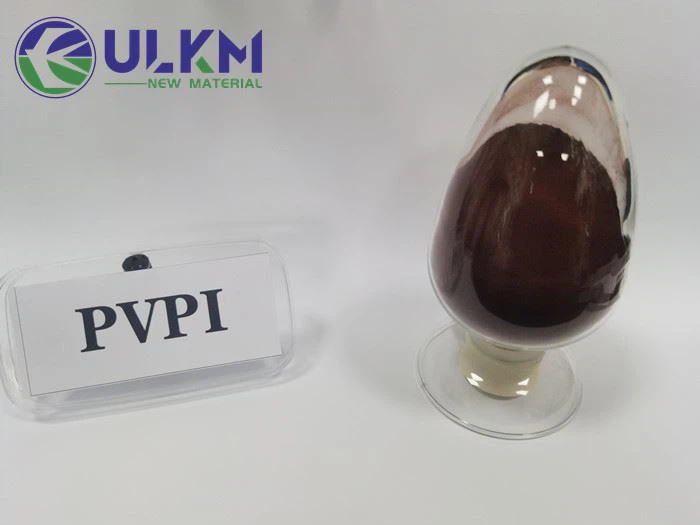

In the context of public transportation, especially buses, maintaining a clean and disinfected environment is of paramount importance. With the continuous threat of various pathogens, finding an effective and reliable disinfectant is a key concern for transportation authorities and operators. As a PVP - I supplier, I am here to delve into the question of whether PVP - I can be an appropriate option for bus disinfection.
What is PVP - I?
Povidone - iodine (PVP - I) Povidone-iodine (PVP-I) is a chemical complex of povidone, hydrogen iodide, and elemental iodine. It is a well - known and widely used antiseptic agent. PVP - I has a broad - spectrum antimicrobial activity, which means it can effectively kill a wide range of microorganisms including bacteria, viruses, fungi, and protozoa. This unique property makes it a popular choice in many medical and hygienic applications.
When it comes to the chemical structure and mechanism of action of PVP - I, the povidone component serves as a carrier for iodine. Iodine is the active ingredient that exerts the antimicrobial effect. PVP - I slowly releases iodine in solution, allowing for a sustained and controlled germicidal action. The iodine can penetrate the cell walls of microorganisms and react with essential intracellular components such as proteins and nucleic acids, ultimately leading to the inactivation and death of the microorganisms.
Advantages of Using PVP - I for Bus Disinfection
1. Broad - spectrum antimicrobial activity
As mentioned earlier, PVP - I can target a vast array of pathogens. In a bus environment, passengers bring in a variety of germs, including common cold viruses, influenza viruses, and bacteria that cause respiratory and gastrointestinal infections. Using PVP - I for disinfection can help reduce the risk of these pathogens spreading from one passenger to another. For example, during flu seasons, the ability of PVP - I to inactivate influenza viruses can significantly contribute to a healthier bus environment.
2. Safety
Compared to some other strong chemical disinfectants, PVP - I is relatively safe. It has low toxicity and is less likely to cause irritation to the skin and mucous membranes. This is particularly important in a public transportation setting where passengers may come into contact with disinfected surfaces. Bus operators can use PVP - I with confidence, knowing that it poses minimal health risks to passengers and the cleaning staff who are responsible for the disinfection process.
3. Residual effect
PVP - I has a certain degree of residual effect. Once it is applied to the surfaces in buses, a small amount of iodine remains on the surface and continues to act as a disinfectant for a period of time. This can provide continuous protection against newly introduced pathogens, reducing the frequency of disinfection required.
4. Ease of use
PVP - I can be formulated into various forms such as solutions, sprays, and wipes. This versatility makes it easy to use in different parts of the bus. For example, a spray form can be quickly applied to large areas such as seats, handrails, and floorings, while wipes can be used for more precise disinfection of smaller areas like control panels and door handles.
Considerations in Using PVP - I for Bus Disinfection
1. Concentration
The appropriate concentration of PVP - I is crucial for effective disinfection. Too low a concentration may not achieve the desired germicidal effect, while too high a concentration may cause unnecessary waste and potentially increase the risk of irritation. Research has shown that a concentration of 0.5% - 1% PVP - I solution can generally provide good disinfection results in most public settings. Bus operators need to follow the recommended concentration guidelines to ensure optimal performance.
2. Surface compatibility
PVP - I may have different effects on different types of surfaces in buses. Some materials, such as certain plastics, may be more prone to discoloration or damage when exposed to PVP - I over a long period. Before large - scale use, it is necessary to conduct small - scale tests on different surfaces to ensure that PVP - I does not cause any adverse effects on the appearance or functionality of the bus interior components.
3. Environmental impact
Although PVP - I is relatively safe, its disposal needs to be properly managed. When used in large quantities in bus disinfection, the waste solution containing PVP - I should be treated in accordance with environmental regulations to prevent any negative impact on the environment.
Comparison with Other Disinfectants
There are several commonly used disinfectants in the transportation industry, such as alcohol - based disinfectants and bleach. Let's compare PVP - I with these disinfectants.
- Alcohol - based disinfectants: They are fast - acting and can quickly kill many types of bacteria and viruses. However, they usually have a short - lived effect and may evaporate rapidly, leaving no residual protection. In addition, alcohol is flammable, which poses a safety risk during storage and use. PVP - I, on the other hand, has a longer - lasting residual effect and is non - flammable.
- Bleach: Bleach is a powerful disinfectant with a strong germicidal action. But it has a strong odor and is highly corrosive. It can damage some surfaces in buses and may cause irritation to the respiratory system of passengers and cleaning staff. PVP - I has a milder odor and is less corrosive, making it a more user - friendly option.
Real - world Applications and Experiences
In some regions, there have been successful cases of using PVP - I for bus disinfection. For example, in a city with a high population density, the local transportation authority decided to use PVP - I - based sprays for daily bus disinfection. After a period of implementation, they noticed a significant reduction in the incidence of reported infectious diseases among bus passengers. The cleaning staff also reported that PVP - I was easy to handle and did not cause any major problems with the bus interior surfaces.
Conclusion
In conclusion, PVP - I Povidone Iodine has great potential for bus disinfection. Its broad - spectrum antimicrobial activity, safety, residual effect, and ease of use make it a competitive option in the field of public transportation disinfection. However, bus operators need to pay attention to factors such as concentration, surface compatibility, and environmental impact.
If you are interested in using PVP - I for bus disinfection or have any questions regarding its application, please feel free to contact us for in - depth discussions and procurement opportunities. We are dedicated to providing high - quality PVP - I products and professional technical support to meet your disinfection needs.
Povidone Iodine Heb and Povidone Iodine Betadine are also well - known forms of PVP - I that have shown excellent performance in disinfection scenarios. We also offer Povidone Iodine Powder which can be easily formulated according to your specific requirements.
References
- Block, S. S. (ed.). (2001). Disinfection, Sterilization, and Preservation. Lippincott Williams & Wilkins.
- Rutala, W. A., & Weber, D. J. (2014). Guideline for selection and use of disinfectants. American Journal of Infection Control, 42(7), 785 - 803.