

Povidone K30, a well - known pharmaceutical excipient, plays a crucial and complex role in the formulation and drug release behavior of suppositories. As a reliable Povidone K30 supplier, we are deeply involved in researching and understanding these effects, which not only benefit our customers in the pharmaceutical industry but also contribute to the overall development of drug delivery systems.
Physicochemical Properties of Povidone K30
Povidone K30, also known as polyvinylpyrrolidone (PVP) with a specific K - value of 30, is a water - soluble polymer. It has a hygroscopic nature, which means it can absorb moisture from the environment. This property is important in suppositories because the moisture at the site of administration can interact with Povidone K30 in the formulation. The hygroscopicity helps in the initial softening and dissolution of the suppository base, leading to a more favorable environment for drug release.
The molecular structure of Povidone K30 consists of repeating vinylpyrrolidone units. The intermolecular forces within the polymer chains, such as hydrogen bonding, van der Waals forces, and dipole - dipole interactions, contribute to its unique physical properties. These forces also influence how Povidone K30 interacts with both the drug and the suppository base. For instance, the ability to form hydrogen bonds allows it to interact with polar drugs, potentially affecting their solubility and release rate.
Influence on the Suppository Base
The suppository base is a critical component that determines the physical form and initial release characteristics of the drug. Povidone K30 can modify the properties of common suppository bases, such as cocoa butter, polyethylene glycols (PEGs), and fatty acid esters.
When incorporated into a suppository base, Povidone K30 can increase the viscosity of the base matrix. In the case of cocoa butter, which is a natural fat - based suppository base, the addition of Povidone K30 can make the melt - flow properties more controlled. This is because the polymer chains of Povidone K30 entangle with the cocoa butter molecules, reducing the free movement of the fat molecules. As a result, the melting point of the suppository may be slightly altered, and the release of the drug can be regulated. A more viscous base can slow down the drug diffusion rate, leading to a sustained - release effect.

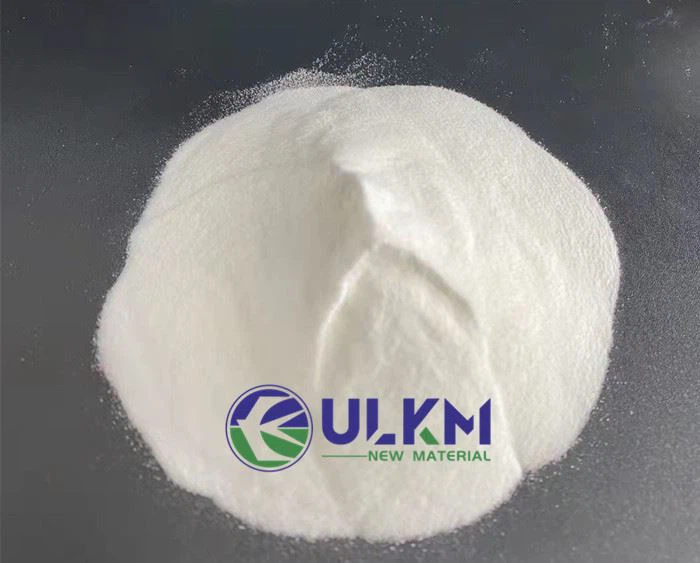
For PEG - based suppository bases, Povidone K30 can enhance the water - uptake capacity. PEGs are known for their ability to dissolve in water, and Povidone K30's hygroscopic nature further promotes the uptake of water at the site of administration. This increased water absorption can cause the PEG - Povidone K30 matrix to swell, creating a porous structure. The drug molecules can then diffuse more easily through these pores, resulting in an improved release rate. You can find more information about this excipient on our website Povidone K - 30 Usp.
Interaction with Drugs
The interaction between Povidone K30 and drugs is a key factor in determining drug release from suppositories. One of the most significant aspects is the solubilization effect. Many poorly soluble drugs can form complexes with Povidone K30 through non - covalent interactions. For example, drugs with aromatic rings can interact with the carbonyl groups in the Povidone K30 through π - π stacking and hydrogen bonding. This complexation increases the apparent solubility of the drug in the suppository base and at the site of administration.
Once the suppository is placed in the body, the solubilized drug can be released more readily into the surrounding tissues. The polymer - drug complex can also protect the drug from degradation, especially for drugs that are sensitive to environmental factors such as pH and enzymes. This protection ensures that a higher amount of the active drug is available for absorption.
Povidone K30 can also affect the drug's crystallization behavior. In some cases, drugs tend to crystallize within the suppository base, which can lead to inconsistent drug release. Povidone K30 can act as a crystallization inhibitor by adsorbing onto the surface of the drug crystals, preventing their growth and aggregation. This results in a more uniform distribution of the drug in the suppository, leading to more predictable and reproducible release profiles. More details about Povidone K30's properties can be found on Povidone PVP K30.
Impact on Drug Release Kinetics
The drug release from suppositories can follow different kinetic models, such as zero - order, first - order, or Higuchi models. Povidone K30 can influence the drug release kinetics depending on its concentration and the nature of the suppository formulation.
At low concentrations, Povidone K30 may act mainly as a solubilizing agent. The drug release may follow a first - order kinetics, where the release rate is proportional to the amount of drug remaining in the suppository. This is because the increased solubility of the drug due to Povidone K30 allows for a relatively rapid diffusion of the drug from the suppository matrix into the surrounding tissues.
As the concentration of Povidone K30 increases, it can form a more gel - like structure within the suppository. In this case, the drug release may follow a zero - order kinetics, where the drug is released at a constant rate over time. The gel - like structure created by Povidone K30 acts as a barrier, controlling the diffusion of the drug. This is particularly useful for drugs that require a sustained and steady release, such as analgesics or hormones.
Role in Different Types of Suppositories
There are different types of suppositories, including rectal, vaginal, and urethral suppositories. Povidone K30 can have different effects in each type.
In rectal suppositories, the physiological environment is relatively stable in terms of pH and temperature. Povidone K30 can help in the rapid dissolution of the suppository base and the release of the drug. The relatively large surface area of the rectum provides a good site for drug absorption. Povidone K30 can enhance the solubility of the drug, making it more available for absorption across the rectal mucosa. Moreover, the ability of Povidone K30 to protect the drug from degradation in the rectal environment can improve the bioavailability of the drug.
Vaginal suppositories have a different physiological environment compared to rectal suppositories. The vaginal pH is slightly acidic, and the presence of mucus can affect drug absorption. Povidone K30 can interact with the vaginal mucus, increasing the retention time of the suppository at the site of administration. It can also help in the release of drugs in a more controlled manner, which is important for drugs used in the treatment of vaginal infections or hormonal therapies.
Urethral suppositories are less common but are used for the delivery of drugs directly into the urinary tract. Povidone K30 can aid in the release of drugs in this small - volume and sensitive environment. It can prevent the drug from precipitating in the urethra and ensure a smooth release of the drug. You can learn more about Povidone K30 as a Synthetic Polymer Vehicle Povidone.
Conclusion
In conclusion, Povidone K30 has a profound impact on the release of drugs from suppositories. Its physicochemical properties, ability to interact with the suppository base and drugs, and influence on drug release kinetics make it a valuable excipient in suppository formulation. As a Povidone K30 supplier, we understand the importance of providing high - quality products to our customers in the pharmaceutical industry. Our Povidone K30 can be tailored to different suppository formulations to achieve the desired drug release profiles.
If you are involved in the pharmaceutical development of suppositories and are interested in exploring the benefits of using our Povidone K30, we encourage you to contact us for further discussions and procurement. We are committed to providing you with the best - in - class excipients and technical support to ensure the success of your drug products.
References
- [1] Aulton, M. E., & Taylor, K. M. G. (2013). Aulton's Pharmaceutics: The Design and Manufacture of Medicines. Churchill Livingstone.
- [2] Banker, G. S., & Rhodes, C. T. (2002). Modern Pharmaceutics. Marcel Dekker.