

Hey there! As a dispersant supplier, I've seen firsthand how crucial proper storage is for maintaining the quality and effectiveness of these products. Dispersants are used in a wide range of industries, from paints and coatings to pharmaceuticals and cosmetics. If they're not stored correctly, their performance can degrade, leading to all sorts of issues for our customers. So, let's dive into how to store a dispersant properly.
Understanding Dispersants
First off, let's quickly go over what dispersants are. Dispersants are substances that are added to a mixture to prevent particles from aggregating and settling. They work by reducing the surface tension between particles and the surrounding medium, allowing them to stay evenly distributed. There are different types of dispersants, including Povidone 30, Polyvinylpyrrolidone 25, and Polyvinylpyrrolidone PVP, each with its own unique properties and applications.
Temperature and Humidity Control
One of the most important factors in storing dispersants is controlling the temperature and humidity. Most dispersants are sensitive to extreme temperatures and high humidity, which can cause them to break down or clump together.
- Temperature: Generally, dispersants should be stored at a moderate temperature, ideally between 20°C and 25°C (68°F and 77°F). Avoid storing them in areas that are too hot or too cold, like near heaters or in unheated storage sheds. High temperatures can accelerate chemical reactions within the dispersant, leading to a loss of effectiveness. On the other hand, low temperatures can cause the dispersant to freeze, which can damage its structure.
- Humidity: High humidity can cause dispersants to absorb moisture, leading to clumping and degradation. Aim to keep the humidity level in the storage area below 60%. You can use dehumidifiers to control the humidity if necessary. Also, make sure the storage containers are tightly sealed to prevent moisture from getting in.
Light and Air Exposure
Another thing to consider is light and air exposure. Some dispersants are sensitive to light, especially ultraviolet (UV) light, which can cause them to degrade over time.
- Light: Store dispersants in a dark place or in opaque containers to protect them from light. If possible, use storage cabinets or rooms that are not exposed to direct sunlight.
- Air: Exposure to air can also cause oxidation and degradation of dispersants. Make sure the storage containers are airtight to minimize air exposure. If you're using large drums or containers, consider using nitrogen blanketing to displace the air inside and prevent oxidation.
Storage Containers
The type of storage container you use is also important. It should be made of a material that is compatible with the dispersant and can prevent contamination.
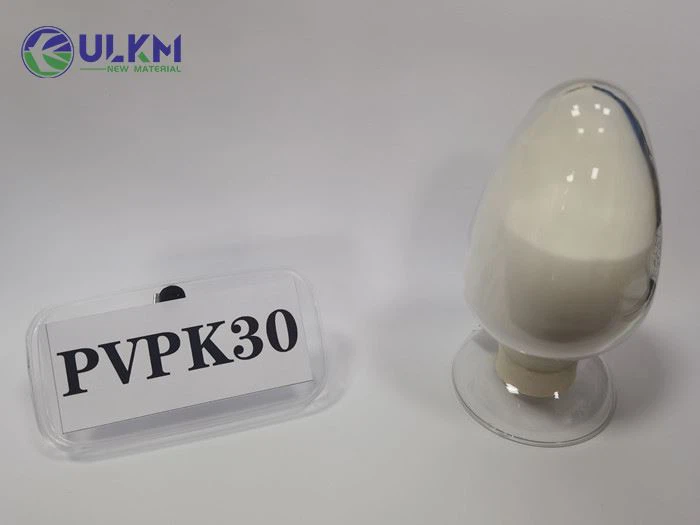

- Material: Common materials for storage containers include high-density polyethylene (HDPE), polypropylene (PP), and glass. These materials are resistant to chemical corrosion and can provide a good barrier against moisture and air. Avoid using containers made of materials that can react with the dispersant, such as certain metals.
- Seal: The container should have a tight-fitting lid or seal to prevent leaks and contamination. Check the seal regularly to make sure it's in good condition.
Labeling and Organization
Proper labeling and organization of your storage area can help you keep track of your dispersants and ensure that they're used in a timely manner.
- Labeling: Each storage container should be clearly labeled with the name of the dispersant, its batch number, expiration date, and any special storage instructions. This will help you identify the dispersant quickly and avoid using expired or damaged products.
- Organization: Arrange your dispersants in an organized manner, grouping them by type, batch number, or expiration date. This will make it easier to find what you need and ensure that you use the oldest products first.
Handling and Safety
When handling dispersants, it's important to follow proper safety procedures to prevent accidents and ensure your health and safety.
- Personal Protective Equipment (PPE): Wear appropriate PPE, such as gloves, goggles, and a lab coat, when handling dispersants. This will protect you from contact with the dispersant and any potential hazards.
- Spill Cleanup: In case of a spill, follow the appropriate spill cleanup procedures. Have spill kits on hand and know how to use them. Make sure to clean up the spill immediately to prevent contamination and damage to the storage area.
Monitoring and Inspection
Regular monitoring and inspection of your storage area and dispersants are essential to ensure that they're being stored properly and are in good condition.
- Monitoring: Check the temperature and humidity levels in the storage area regularly using a thermometer and hygrometer. Keep a record of these readings to track any changes over time.
- Inspection: Inspect the storage containers for signs of damage, leaks, or contamination. Check the dispersant for any changes in appearance, such as clumping, discoloration, or a strange odor. If you notice any issues, take appropriate action, such as transferring the dispersant to a new container or disposing of it properly.
Conclusion
Proper storage of dispersants is crucial for maintaining their quality and effectiveness. By controlling the temperature, humidity, light, and air exposure, using the right storage containers, labeling and organizing your storage area, following proper handling and safety procedures, and monitoring and inspecting your dispersants regularly, you can ensure that your dispersants are in good condition and ready to use when you need them.
If you're in the market for high-quality dispersants or have any questions about storage or application, don't hesitate to reach out to us. We're here to help you find the right dispersant for your needs and provide you with the support and guidance you need to store and use it properly. Let's work together to ensure the success of your projects!
References
- ASTM International. (20XX). Standard practices for storage of chemical products.
- Chemical Safety and Hazard Investigation Board. (20XX). Guidelines for safe storage of hazardous chemicals.