

Binder materials play a crucial role in various industries, especially in Android - related applications where they are used in battery electrodes, circuit board manufacturing, and other components. As a Binder supplier, I have in - depth knowledge and rich experience in the best practices for using Binders in Android. In this blog, I will share some key aspects to ensure the most effective use of Binders in Android devices.
Understanding the Role of Binders in Android
Binders in Android serve multiple purposes. In battery applications, they are used to hold the active materials in the electrodes together, ensuring good electrical contact and mechanical stability. For example, in lithium - ion batteries commonly used in Android devices, a proper binder can prevent the active materials from detaching during charge - discharge cycles, which is essential for the battery's long - term performance and safety. In the manufacturing of circuit boards, binders help in adhering different layers of materials, providing insulation and mechanical strength.

Selecting the Right Binder for Android Applications
The choice of binder largely depends on the specific requirements of the Android component. For battery electrodes, binders need to be chemically stable in the electrolyte environment, have high adhesion strength, and good flexibility.
-
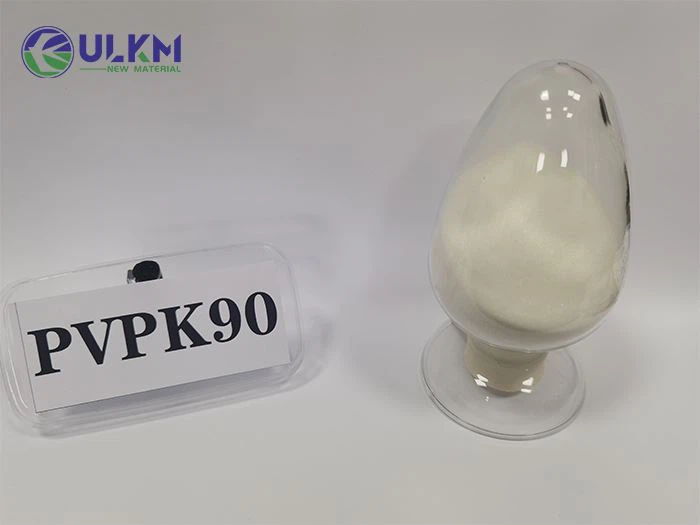
Polyvinylpyrrolidone (PVP) - based binders: Polyvinylpyrrolidone K - 90 is a popular choice. It offers excellent solubility in a wide range of solvents, which is beneficial during the electrode manufacturing process. PVP K - 90 can form a uniform film around the active materials in the battery electrode, enhancing the binding force and dispersion of the materials. Moreover, it has good thermal stability, which is crucial as the battery may generate heat during operation.
-
PVP K - 30: PVP K - 30 is another well - known binder in the Android industry. It has a lower molecular weight compared to PVP K - 90, resulting in better fluidity during processing. This makes it easier to mix with other materials in battery slurries or during circuit board manufacturing processes. PVP K - 30 can also improve the wettability of the electrolyte on the electrode surface, facilitating ion transfer and improving the battery's charge - discharge efficiency.
-
PVPk30: PVPk30 is similar to PVP K - 30 in many aspects. It has good binding properties and is widely used in the production of thin - film electrodes for Android devices. Its ability to form a stable network structure within the electrode helps to maintain the integrity of the electrode structure under various operating conditions.
Best Practices in Binder Application
Battery Electrode Manufacturing
- Proper Mixing: When using a binder in battery electrode manufacturing, it is essential to achieve a homogeneous mixture of the binder, active materials, and conductive additives. This can be done by using high - shear mixers. First, dissolve the binder in a suitable solvent to form a binder solution. Then, add the active materials and conductive additives gradually while continuously mixing. The mixing process should be carried out for a sufficient time to ensure that all components are well - dispersed.
- Coating Process: After the slurry is prepared, the coating process is critical. The slurry should be coated evenly on the current collector. Factors such as coating speed, coating thickness, and drying temperature need to be carefully controlled. A uniform coating thickness can ensure consistent battery performance across the electrode surface. The drying temperature should be optimized to remove the solvent without causing damage to the binder or active materials.
- Curing and Annealing: In some cases, curing or annealing the coated electrodes can improve the performance of the binder. Curing can enhance the cross - linking of the binder molecules, increasing its mechanical strength. Annealing at appropriate temperatures can relieve internal stresses in the electrode and improve the interface between the active materials and the binder.
Circuit Board Manufacturing
- Adhesion and Bonding: For circuit boards, the binder should provide strong adhesion between different layers of materials. When applying the binder, the surfaces to be bonded should be clean and dry to ensure maximum adhesion. Surface treatment techniques such as plasma cleaning can be used to improve the surface energy of the materials, enhancing the binding effect of the binder.
- Dimensional Stability: The binder should maintain the dimensional stability of the circuit board during the manufacturing process and under various operating conditions. This requires careful selection of the binder based on its coefficient of thermal expansion. A binder with a similar coefficient of thermal expansion to the circuit board materials can prevent warping and delamination.
- Insulation Properties: In circuit board applications, the binder should have good insulation properties to prevent short - circuits. Testing the insulation resistance of the binder - bonded areas is necessary during the manufacturing process to ensure the electrical safety of the circuit board.
Quality Control and Testing
- Physical and Chemical Properties: Regularly test the physical and chemical properties of the binder, such as molecular weight, viscosity, and solubility. These properties can affect the performance of the binder in the Android components. For example, a change in viscosity can impact the coating process in battery electrode manufacturing.
- Performance Testing: Conduct performance tests on the Android components using the binder. In battery applications, test the battery's capacity, cycle life, and charge - discharge efficiency. In circuit board applications, test the electrical conductivity, insulation resistance, and mechanical strength. Any significant deviations in these performance parameters may indicate issues with the binder or its application.
- Compatibility Testing: Ensure the compatibility of the binder with other materials used in the Android device. For example, in battery applications, test the compatibility of the binder with the electrolyte and the separator. Incompatible materials can lead to side reactions, reducing the performance and lifespan of the device.
Environmental Considerations
As environmental concerns are becoming increasingly important, it is essential to choose environmentally friendly binders. Binders that are free from harmful substances such as heavy metals and volatile organic compounds (VOCs) are preferred. Additionally, the manufacturing process of the binder should be optimized to reduce waste and energy consumption. Some suppliers are now developing biodegradable binders, which can further reduce the environmental impact of Android devices.
Conclusion
Using binders effectively in Android applications requires a comprehensive understanding of their properties, careful selection, and proper application. By following the best practices mentioned above, manufacturers can improve the performance, reliability, and environmental friendliness of Android devices. As a Binder supplier, we are dedicated to providing high - quality binders and technical support to meet the needs of the Android industry. If you are interested in purchasing our binders or need further consultation on binder applications, please feel free to contact us for a procurement discussion.
References
- Clarke, D. R. (2019). Advanced Materials for Lithium - Ion Batteries. Wiley - VCH.
- Groover, M. P. (2019). Fundamentals of Modern Manufacturing: Materials, Processes, and Systems. Wiley.
- Tanaka, H., & Kondo, M. (2017). Handbook of Binder Technology in Electronics. Elsevier.