-
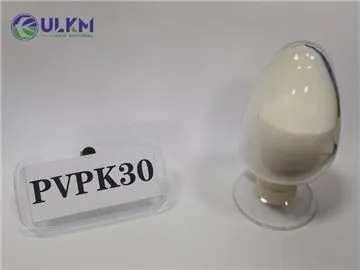
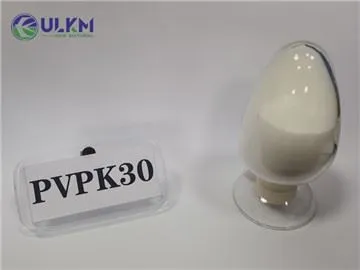
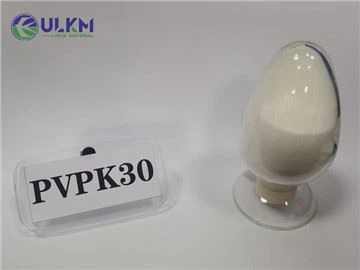
CAS No.: 9003-39-8 HS Code: 39059900 Origin: ChinaINN: Povidone Grade: USP / EP/ BP ComplianceTrademark: ULKM Packing: 25 kg/Drum
Add to Inquiry
-
The molecular weight of PVPK30 is about 40000, which is one of the most used homopolymer series products.. CAS No.:9003-39-8. HS Code:39059900.
Add to Inquiry
-
CAS No.:9003-39-8. HS Code: 39059900. Package: 25kg/drum.
Add to Inquiry
-
The molecular weight of PVPK30 is about 40000, which is one of the most used homopolymer series products.. CAS No.:9003-39-8. HS Code:39059900.
Add to Inquiry
-
Product Name:Polyvinylpyrrolidone 30. CTFA name :1-vinyl-2-pyrrolidone homopolymer. CAS No.:9003-39-8. Molecular formula:(C6H9NO)n. Pharmaceutical-grade PVP K30 / Povidone K30 excipient —
Add to Inquiry
-
It can easily soluble in water and solvents containing halogenated hydrocarbons, alcohols, amines, nitroalkanes and low molecular fatty acids, etc.. But it insoluble in a few solvents such as
Add to Inquiry
-
The molecular weight is about 10100, which is a common substance in the polyvinylpyrrolidone series . Povidone k-17 can not only improve the hydrophilicity of the membrane, but also control the pore
Add to Inquiry
-
The molecular weight of PVPK90 is about 600,000, which belongs to the high K value in the homopolymer series products.
Add to Inquiry
-
Like all homopolymer series products, because povidone k30 contains hydrophilic and lipophilic groups in its molecular structure, it can interact with many solvents, making it soluble in water, and
Add to Inquiry
-
The molecular weight of polyvinylpyrrolidone k30 is about 40,000, which is the most widely used product in the homopolymer series.
Add to Inquiry
-
PVP k30 is a non-ionic polymer compound, which is a more extensively studied fine chemical product among N-vinyl pyrrolidone polymers.. ●Model NO.: Povidone K30. ●Mf: [C6H9NO]n. ●Trademark: ULKM.
Add to Inquiry
-
Povidone pvp k30 is divided into four levels according to its average molecular weight. It is usually expressed by K value, and different K values represent the corresponding PVP average molecular
Add to Inquiry