

Hey there, tech enthusiasts! I'm a supplier in the Binder game, and I'm stoked to dive into how Binder interacts with Android system services. It's a topic that's super crucial in the Android ecosystem, and I'm here to break it down for you in a way that's easy to understand.
First off, let's talk a bit about what Binder is. Binder is a lightweight inter - process communication (IPC) mechanism in the Android operating system. It's like the backstage crew in a big show, making sure that different processes can talk to each other smoothly. As a Binder supplier, I know how important this technology is for the seamless functioning of Android devices.
In the Android world, system services are the backbone. They handle a wide range of functions, from managing the user interface to handling network connections. Binder acts as the bridge between different applications and these system services. For example, when you open a new app on your Android device, that app needs to communicate with the system's window manager service to display its interface on the screen. This is where Binder steps in.
The way Binder works with Android system services is through a client - server model. System services act as servers, and applications are the clients. When an app needs a service from the system, it sends a request through Binder. The service then processes the request and sends back a response, again using Binder. This whole process happens really fast, which is why you don't notice any lag when you're using your Android device.

Let's take a closer look at how the communication process actually happens. When an app starts, it needs to get a reference to the system service it wants to use. This is done through the ServiceManager, another important component in the Android IPC framework. The ServiceManager keeps track of all the available system services and their corresponding Binder objects.
The app sends a request to the ServiceManager to get the Binder object of the desired service. Once it has the Binder object, it can use it to send requests to the service. The Binder object acts as a proxy for the actual service. It serializes the request data and sends it over to the service process.
On the service side, the Binder driver receives the request. The Binder driver is a kernel - level component that manages the Binder IPC mechanism. It deserializes the request and passes it on to the appropriate service. The service then processes the request and sends back a response in a similar way.
One of the great things about Binder is its security features. In the Android ecosystem, security is a top priority. Binder uses capabilities and permissions to ensure that only authorized apps can access certain system services. When an app requests a service, the Binder driver checks if the app has the necessary permissions. If not, the request is denied.
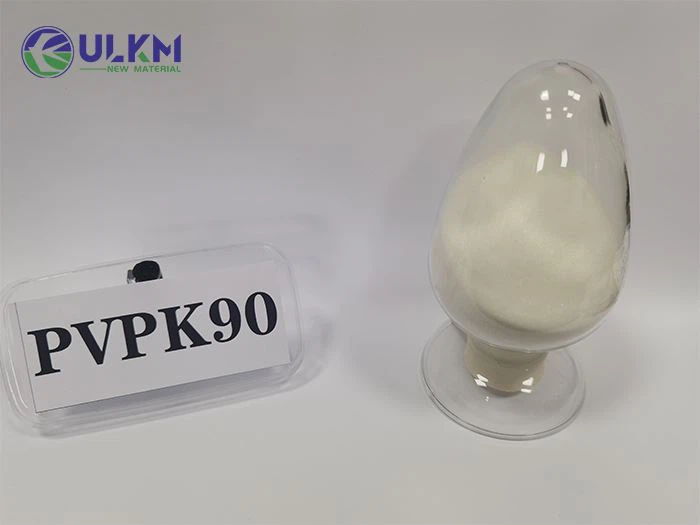
Now, I want to mention some of the products we offer as a Binder supplier. We have Polyvinylpyrrolidone K - 90, also known as Povidone K 90 or Povidone K90 Binder. These binders are used in various Android - related applications. They help in creating stable connections between different components, which is essential for the proper functioning of Binder - based IPC.
In the development process of Android apps, our binders can be a game - changer. They improve the performance and reliability of the IPC mechanism. For example, in apps that require real - time communication with system services, such as video - streaming apps or online gaming apps, our binders ensure that the data transfer is fast and error - free.
Another aspect of Binder's interaction with Android system services is resource management. Android devices have limited resources, and Binder helps in optimizing the use of these resources. When multiple apps are requesting services simultaneously, Binder manages the traffic efficiently. It ensures that each app gets its fair share of the service's resources, preventing any one app from hogging all the resources.
Binder also plays a role in the power management of Android devices. By minimizing the overhead of IPC, it reduces the power consumption of the device. This is especially important for mobile devices, where battery life is a major concern.
As a Binder supplier, we're constantly working on improving our products. We're researching new materials and techniques to make our binders more efficient and reliable. We're also collaborating with Android developers to understand their needs better and develop binders that are tailored to their specific requirements.
If you're an Android developer or a company involved in the Android ecosystem, and you're looking for high - quality binders, we're here to help. Our team of experts can provide you with the best solutions for your Binder needs. Whether you're working on a small - scale app or a large - scale enterprise application, our binders can make a significant difference in the performance and reliability of your product.
So, don't hesitate to reach out to us for a procurement discussion. We're eager to work with you and contribute to the success of your Android projects. Let's make the Android ecosystem even better together!
References
- Android Open Source Project Documentation
- "Android Internals: A Connoisseur's Guide to Android's Secrets" by Konstantin Shcheglov
- Research papers on Android IPC and Binder mechanism