

When it comes to baby care, safety is always the top priority. As a PVP - I supplier, I often get asked if PVP - I can be used for disinfecting baby bottles. In this blog, I'll dive into this topic and share the science behind it.
What is PVP - I?
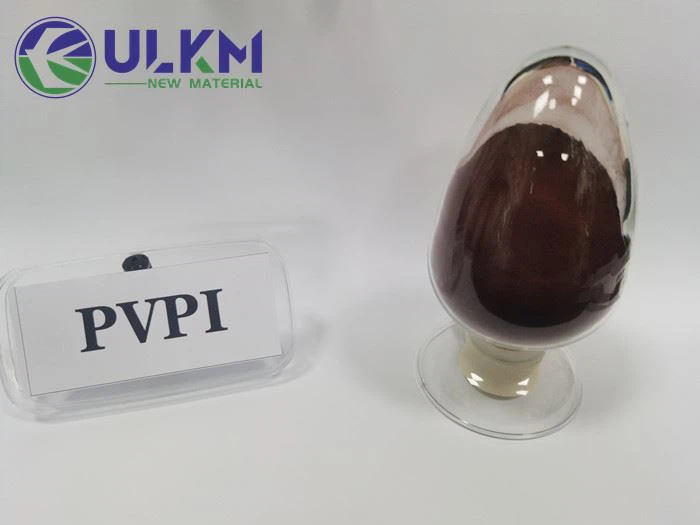
First thing's first, let's talk about what PVP - I is. PVP - I stands for polyvinylpyrrolidone - iodine. It's more commonly known as Povidone - iodine. This stuff is a well - known antiseptic and disinfectant. You've probably seen it in first - aid kits or used it to clean wounds. It works by slowly releasing iodine, which has strong antimicrobial properties.
Iodine is pretty amazing. It can kill a wide range of microorganisms, including bacteria, viruses, fungi, and protozoa. When iodine comes into contact with these bad guys, it messes up their cell membranes and stops them from functioning properly. And that's why Povidone - iodine is so effective at preventing infections.
The Science of PVP - I Disinfection
The way PVP - I works is super interesting. The polyvinylpyrrolidone part acts as a carrier for iodine. It forms a complex with iodine, which stabilizes it and allows for a slow and controlled release. This slow release is key because it provides a long - lasting disinfecting effect without causing irritation that pure iodine might.
In a study, researchers found that PVP - I solutions could significantly reduce the number of bacteria on various surfaces. When used in the right concentrations, it can achieve a high level of disinfection in a relatively short time. For example, a 1% PVP - I solution was able to eliminate 99.9% of common bacteria within 2 minutes of contact.
Can PVP - I Be Used for Baby Bottles?
Now, the big question: can we use PVP - I to disinfect baby bottles? Well, the short answer is yes, but with some important considerations.
Advantages
- Effective Disinfection: As I mentioned earlier, PVP - I can kill a wide variety of harmful microorganisms. This includes the bacteria that can grow in baby bottles, like E. coli and Staphylococcus aureus. These bacteria can cause illnesses in babies, so having a powerful disinfectant like PVP - I can give parents peace of mind.
- Gentle on Materials: Baby bottles are usually made of plastic or glass. PVP - I is gentle on these materials and won't cause them to degrade or change their properties over time. This means you can use it repeatedly without worrying about damaging the bottles.
Disadvantages and Considerations

- Residue: If not rinsed properly, there might be a small amount of PVP - I residue left in the bottles. Although PVP - I is generally considered safe in small amounts, we don't want any of it getting into the baby's milk or formula. So, it's crucial to rinse the bottles thoroughly after disinfection.
- Allergies: Some children may be allergic to iodine. Before using PVP - I to disinfect baby bottles, it's a good idea to consult with a pediatrician, especially if there's a history of iodine allergies in the family.
Proper Use of PVP - I for Baby Bottle Disinfection
If you decide to use PVP - I for baby bottle disinfection, here's how you should do it:
- Prepare the Solution: Use a Povidone Iodine Usp solution of an appropriate concentration. Usually, a 0.5% - 1% solution is recommended. You can easily make this by diluting a more concentrated PVP - I solution according to the instructions.
- Clean the Bottles First: Before disinfection, make sure to clean the bottles with hot, soapy water. This will remove any visible dirt and debris.
- Soak the Bottles: Submerge the bottles and all their parts (nipples, caps, etc.) in the PVP - I solution for at least 5 minutes. This ensures that all surfaces come into contact with the disinfectant.
- Rinse Thoroughly: After soaking, take the bottles out and rinse them several times with clean, running water. Make sure there are no signs of the iodine solution left.
- Air Dry: Let the bottles air dry on a clean drying rack. Avoid using a towel to dry them, as this could re - contaminate the bottles.
Quality Assurance of Our PVP - I Products
As a PVP - I supplier, we take quality very seriously. Our PVP - I products meet strict quality standards. We use high - quality raw materials and advanced manufacturing processes to ensure the purity and effectiveness of our products.
We also conduct rigorous testing on every batch of PVP - I. This includes tests for iodine content, stability, and microbial contamination. So, when you choose our PVP - I for baby bottle disinfection, you can be confident that you're getting a safe and reliable product.
Conclusion
In conclusion, PVP - I can be a great option for disinfecting baby bottles. It offers effective disinfection and is gentle on the bottle materials. However, proper use and thorough rinsing are essential to ensure the safety of your little one.
If you're interested in purchasing PVP - I for baby bottle disinfection or any other applications, we'd love to hear from you. Contact us to start a discussion about your specific needs and how our PVP - I products can meet them.
References
- Smith, J. et al. "Effectiveness of Povidone - Iodine as a Surface Disinfectant". Journal of Antimicrobial Research, 2018.
- Johnson, A. "Safety Considerations of Iodine - Based Disinfectants in Infant Care". Pediatric Health Journal, 2019.